
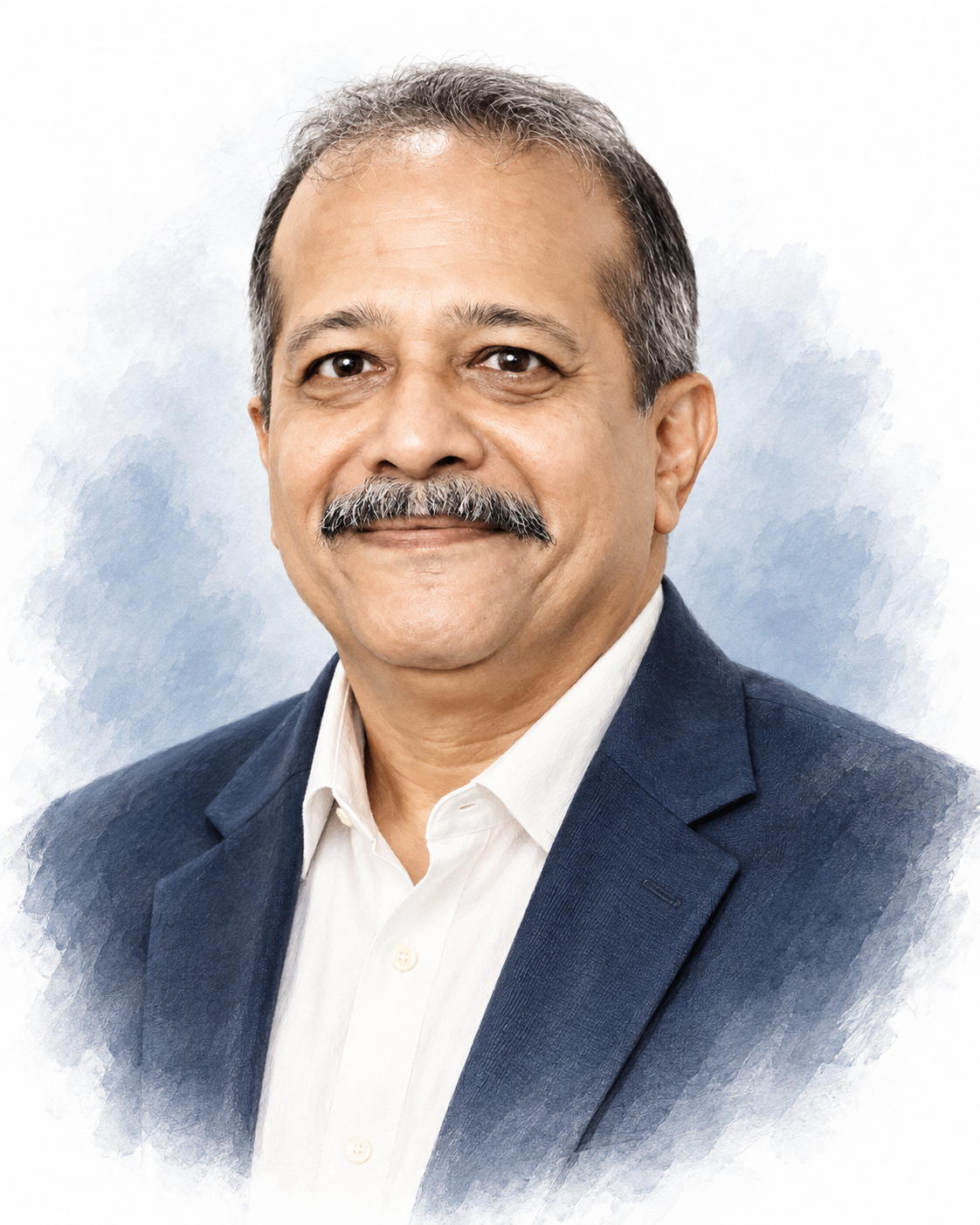
When the first question was “Why Russia?”
When Manoj Patki began this work in 1999, Russia was a less familiar study destination for many Indian families. Before an application could begin, there was a more fundamental conversation: what would studying there mean for a young person, and where could it lead?
The work was as much about understanding as admissions. It meant making a different education system easier to navigate, and helping families look beyond an unfamiliar place to the possibilities within it.
A connection with roots in Mumbai
That early chapter was closely connected to the Russian Cultural Centre in Mumbai. A 2004 Times of India report identified Manoj as Deputy Director of the International Foundation for Studies and Culture, working under the auspices of the Russian Consulate’s cultural department to promote education in Russia.
The report captures the concerns of that period, including language preparation. More than two decades later, it is a reminder that the practical questions behind a family’s decision have always deserved patient, specific answers. Read the 2004 report ↗
Two countries. A very human connection.
This work sits within a much longer India–Russia relationship, extending from the Soviet era into cooperation in defence, civil nuclear energy, science and culture. Education gives that relationship an everyday dimension: classmates, shared languages, friendships and professional lives shaped in both countries.
Russia’s international education ambitions continue to grow. In 2024, its Ministry of Science and Higher Education described President Vladimir Putin’s target of 500,000 international students by 2030. For a family considering Russia today, that wider context still comes down to a personal question: which course and environment are right for their child?
The part of the story that matters most
Thousands of students who began with EduRussia are now practising doctors. Among them are specialists, senior consultants and professors preparing the next generation. The years of study, the responsibility of treating patients and the achievements that follow are theirs.
For Manoj and EduRussia, having played a part in those beginnings is a source of quiet pride. It also keeps the work grounded: listen carefully, explain clearly, and help the next student start with a better understanding of the road ahead.
Sources & further reading
Source review: 24 September 2026. Historical references and background to this story.